

Key Takeaways: Pediatric restorative dentistry addresses tooth decay and damage early, preventing future oral health issues and supporting the proper development of children’s teeth. Pediatric restorative dentistry focuses on primary teeth and growth considerations, while adult care typically addresses permanent teeth and age-related dental issues. The most common procedures in children’s restorative dentistry include dental …
Key Takeaways:
- Pediatric restorative dentistry addresses tooth decay and damage early, preventing future oral health issues and supporting the proper development of children’s teeth.
- Pediatric restorative dentistry focuses on primary teeth and growth considerations, while adult care typically addresses permanent teeth and age-related dental issues.
- The most common procedures in children’s restorative dentistry include dental fillings, crowns, and pulpotomies.
- Poor oral health in children can lead to systemic infections, nutritional deficiencies, and reduced quality of life.
Ensuring good oral health from a young age is crucial for a child’s overall well-being and development. Pediatric dentistry focuses on the oral health of children from infancy through adolescence, providing care that ensures their teeth and gums develop properly.
A key component of pediatric restorative dentistry addresses issues such as tooth decay, tooth damage, and missing teeth in children. In this blog, we’ll explore the various aspects of pediatric restorative dentistry, standard procedures, and the importance of maintaining good oral health from an early age.
Establishing Lifelong Oral Health
Oral health in children is just as important as it is in adults. In fact, it may be even more critical, as early dental care lays the foundation for a lifetime of good oral health.
Restorative dentistry procedures maintain not only the function of a child’s teeth but also their appearance, helping them smile confidently and avoid long-term dental problems.
Pediatric restoration involves a range of procedures aimed at repairing and restoring children’s teeth, allowing them to grow with a healthy set of teeth and gums.
By addressing dental issues early on, restorative dentistry can prevent more serious problems later in life and ensure that children develop a strong, healthy smile.
Differences Between Pediatric and Adult Restorative Dentistry
While restorative dentistry for children shares some similarities with adult restorative care, there are significant differences that cater to the unique needs of younger patients.
Focus on Baby Teeth
One of the primary differences is that pediatric dentistry often involves working with primary (baby) teeth, which are eventually replaced by permanent teeth.
This requires a different approach, as treatments must account for the child’s growth and development.
For instance, materials and techniques used in pediatric restoration may be chosen to accommodate the child’s growing teeth and ensure that their permanent teeth develop correctly.
Child-Friendly Dental Care
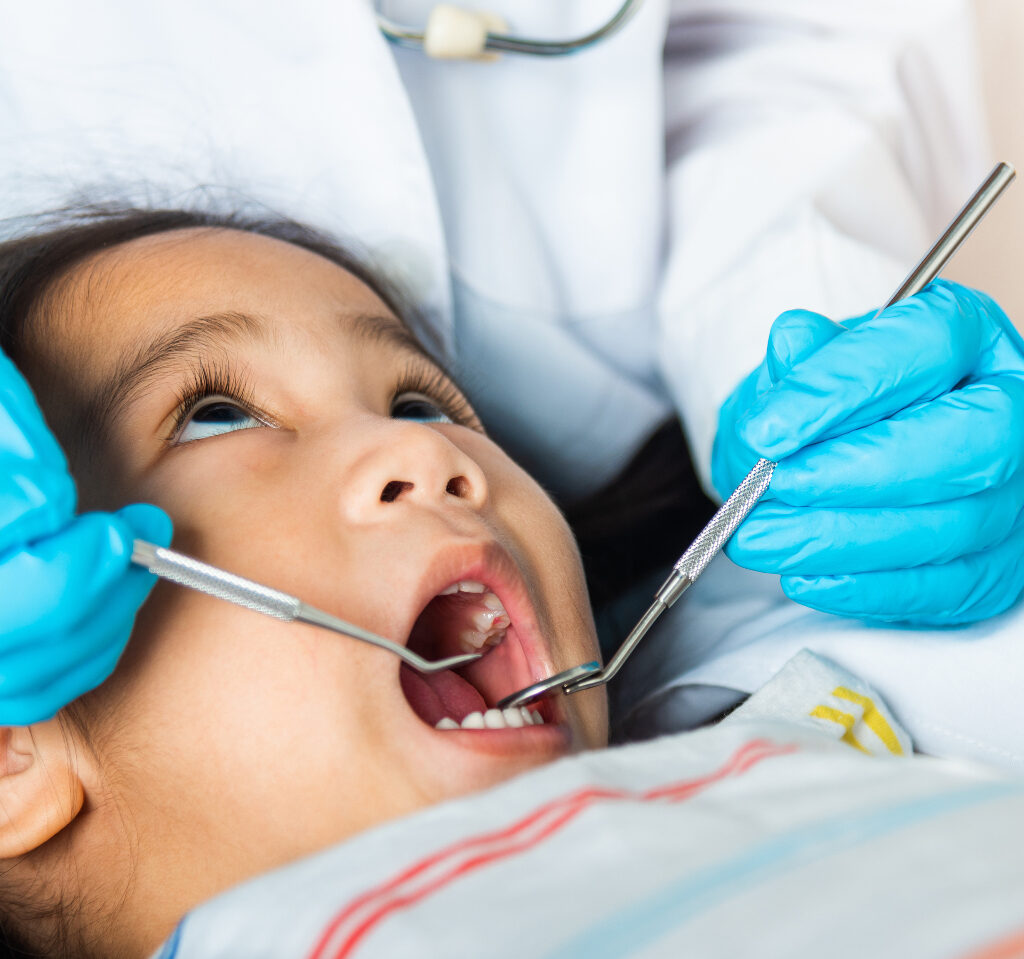
Children also have different levels of cooperation and understanding than adults, which means that pediatric dentists must be skilled at managing the behavior of young patients.
The team at Perfect Smile Dental Group is very mindful of creating a welcoming environment and employing techniques that minimize discomfort and anxiety in children and adults alike.
Promoting Good Oral Habits
Moreover, the focus of pediatric restorative dentistry is not just on treating existing issues but also on preventing future problems, which involves educating both the child and their parents about good oral hygiene practices.
Common Pediatric Restorative Dentistry Procedures
The most common procedures in pediatric restorative dentistry are:
- Dental fillings: By filling cavities caused by tooth decay, they preserve the tooth, preventing further decay and avoiding premature loss.
- Pediatric crowns: Dental crowns protect and restore severely damaged or decayed baby teeth.
- Pulpotomy (baby root canal): This type of root canal is ideal when decay reaches the pulp of a tooth. It removes the infected pulp while preserving the rest of the tooth and preventing the need for extraction.
By maintaining the health and structure of baby teeth through these procedures, dentists help ensure that the child’s oral development remains on track, reducing the risk of complications when permanent teeth begin to emerge.

The Impact of Poor Oral Health on Overall Health
Poor oral health in children can have far-reaching consequences beyond their teeth and gums. Let’s review some of them.
Serious Systemic Conditions
Oral infections, such as those caused by untreated cavities or gum disease, can lead to inflammation and contribute to systemic health issues.
For instance, bacteria from oral infections can enter the bloodstream, potentially leading to dangerous conditions such as heart disease or respiratory infections.
Nutritional Deficiency Risks
Additionally, children with poor oral health may experience difficulty eating, leading to nutritional deficiencies that impact their growth and development.
Declined Quality of Life
Untreated dental problems can cause pain and discomfort, which can impact a child’s ability to concentrate in school, participate in activities, and enjoy a good quality of life.
Ensuring good oral health through regular dental check-ups and timely pediatric restorative procedures is essential for preventing these issues and supporting a child’s overall health and well-being.
By addressing dental problems early, you can help your child avoid more serious health complications and ensure they grow up with a healthy, confident smile.
Frequently Asked Questions About Pediatric Restorative Dentistry
What is pediatric restorative dentistry?
Dentistry performed on baby teeth, or primary teeth, is crucial for maintaining a child’s oral health until their permanent teeth emerge. Baby teeth serve as placeholders for permanent teeth, guiding them into the correct position.
If a baby tooth is lost prematurely due to decay or injury, it can lead to misalignment or crowding of the permanent teeth.
Are dental fillings safe for children?
Yes, dental fillings are safe for children. Pediatric dentists use durable materials that blend with the natural teeth, making it a safe and effective option for treating cavities.
How can I prevent my child from needing restorative dentistry?
Encouraging good oral hygiene practices, such as brushing twice a day, flossing, and reducing sugary snacks, can help prevent tooth decay and reduce the need for restorative procedures.
Is a pulpotomy painful for children?
Dentists perform pulpotomies under local anesthesia, so your child should not feel pain during the procedure. Perfect Smile Dental Group is skilled in making the experience as comfortable as possible for young patients.
When should I schedule my child’s first dental visit?
It’s best to schedule an appointment by your child’s first birthday or six months after the first tooth emerges, whichever comes first. Early dental check-ups help establish good oral health habits and allow the dentist to catch any potential issues before they worsen.
Protect Your Child’s Smile With Pediatric Dentistry
At Perfect Smile Dental Group, we understand the importance of maintaining good oral health from a young age. Our experienced pediatric dentists are here to provide the highest quality restorative dentistry care, ensuring that your child’s smile stays healthy and bright.
If your child is experiencing dental issues or if you’re concerned about their oral health, don’t hesitate to schedule an appointment with us. Let us help you protect your child’s smile and set them on the path to a lifetime of good oral health.